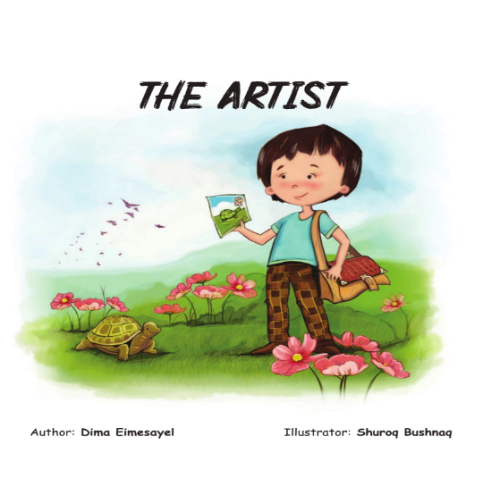
The Artist
Average Rating: 0.0
Country: Jordan
Author: Dima Eimesayel
Illustrator: Shuroq Bushnaq
Ages: 8–10
Publisher: Room to Read
Story Source: Literacy cloud
About The Story

A boy in Jordan dreams of becoming an artist. He has special brushes and paints that he treasures. But when conflict strikes, his family must flee their home, leaving everything behind. As they move through forests, beaches, and cities, he begins to use nature and surroundings as his canvas—collaging with petals and leaves, drawing with sticks in sand, and tracing shapes on windowpanes. At an art exhibition, he discovers multimedia artwork and realizes: anything can become art. This touching tale captures the resilience of children, the trauma of displacement, and the healing power of creativity.

Themes

Displacement
Social & Emotional Learning
Community

Sub Themes

Art & Creativity
Hope & Healing
Adaptability
Imagination

Parent-Teacher Guide

Learning Outcome

  • Understand how war and civil unrest affect children.
  • Explore how creativity can be a tool for healing and expression.
  • Recognize that children around the world share common dreams, like becoming artists
  • Reflect on the emotional trauma of displacement and how small actions can support others.

Activities

  • 1.In My Little Bag (Reflection + Art) Ask students to imagine they must pack a small bag quickly and leave home. What 3–5 items would they take? Draw or write about each item. Discuss: What would you miss most? Why?
  • 2. Nature Collage (Art) Let children use leaves, petals, twigs, and scrap paper to make their own art piece— just like the boy.
  • 3. Windowpane Sketches (Sensory + Creativity) Use clear plastic or transparency sheets and washable markers to let students draw using their fingers, imagining a foggy window.
  • 4. Global Artists Gallery (Research or Visual Sharing) Explore stories of refugee children who use art to express themselves (UNHCR or UNICEF campaigns).
Story Discussion Guide

Before reading

  • What is art to you? Do you need paints or materials to make art?
  • Have you ever lost something important to you?

During reading

  • How does the boy try to make art without his brushes?
  • What feelings do you think he is experiencing?
  • How does his view of being an artist change?

After reading

  • How do you think children feel when they have to leave their homes because it’s no longer safe?
  • What do you think they miss the most?
  • Why do you think art helped the boy feel better?

Applicable Sustainable Development Goals

SDG 4: Quality Education

Highlights how learning can continue through creativity, even without formal schooling or materials.

SDG 10: Reduced Inequalities

Encourages empathy and equity for displaced children by showing their experiences.

SDG 16: Peace, Justice and Strong Institutions

Builds awareness of the impact of conflict and the importance of peaceful societies.

Comments

There are no comments

Leave a Reply

Sign up to receive notifications whenever we
release new books

Share this post
Start typing and press Enter to search

Shopping Cart
Sign up with Google