About The Story
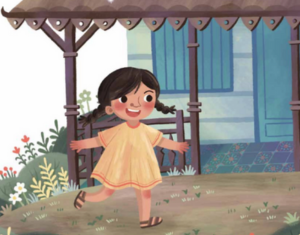
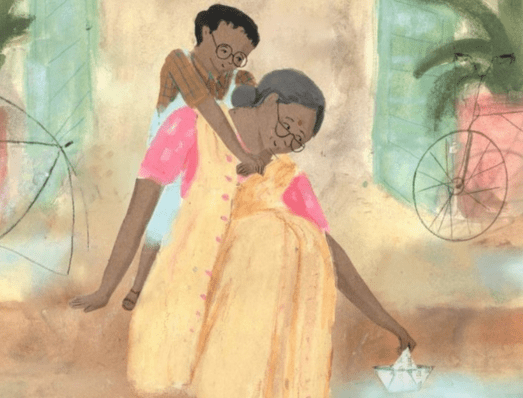
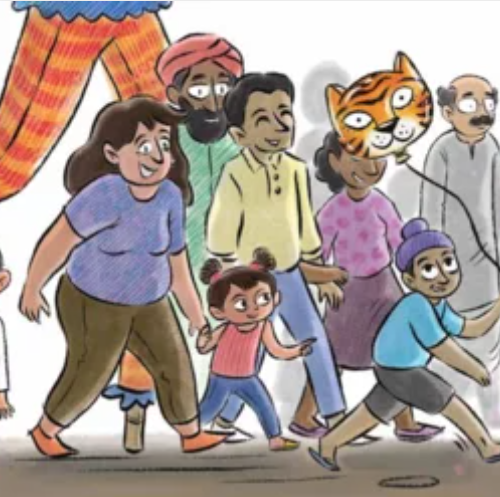
In this Wordless picture book, Cheeku visits the fair with Amar Bhaiya. The fair is bustling with people and is filled of fun things to do and eat. They get separated and suddenly a tiger figure jumps up at Cheeku he is frightened out of his wits. He later learns that Pulikali is a tradition ritual, part of Kerala’s Onam Celebration.
Themes
Culture & Tradition
Sub Themes
Festivals and Celebrations
Onam
Kerala
Parent-Teacher Guide
Learning Outcome
- Children learn that fear often comes from encountering something unfamiliar. By learning more about what initially seems frightening, they discover that misunderstanding can turn into curiosity, joy, and participation.
- The story also helps them appreciate that festivals around the world may look different in music, costumes, and traditions, yet children everywhere share the same excitement in celebrating—reinforcing Zamasama’s message of one common humanity.

Activities
- 1. Each child draws or shares one festival they celebrate and highlight what they wear, eat and do.
- 2. Fear-to-brave emoji or drawing
- 3. Festival mask making
- 4. Role-play - helping a scared friend

Story Discussion Guide
Before reading
- Encourage children to observe the cover or first page carefully.
- What do you think this story might be about?
- Have you ever been to a fair or festival? What did you see there?
- What did you do there?
- Sometimes festivals include people wearing costumes or masks. Why do you think people dress up during celebrations?

During reading
- What is Cheeku doing at the fair? What activities can you spot?
- What foods or stalls do you notice in the pictures?
- What do you think Cheeku feel when the tiger suddenly jumps out?
- Look carefully at the tiger figures. Do they look like real tigers or something else?

After reading
- What did Cheeku learn about the tiger dancers?
- Do you know of special dances performed during festivals in other parts of the world?
- Have you ever been scared of something that later turned out to be harmless?
- Why do festivals often include music, dance, costumes, and food?

Applicable Sustainable Development Goals
SDG 3 – Good Health & Wellbeing
The story supports emotional wellbeing by helping children understand fear, feel reassured, and learn simple strategies to stay calm and safe.
SDG 4 – Quality Education
The story introduces children to cultural traditions and encourages curiosity, critical thinking, and social–emotional learning through real-life contexts.
SDG 10 – Reduced Inequalities
The story helps children recognize how first impressions can create bias and encourages respect for unfamiliar customs, appearances, and celebrations.
Curriculum Alignment
- Vertical Alignment of Stories: Ages 3–5: The Ok Om Bok Festival: The children eagerly look forward to the Harvest Festival in which they make special dishes and let off paper lanterns in the sky.
- Ages 5–8: The Best Doll Festival, Ever!: Not wanting to miss out on the celebration of ‘Golu’ part of the Navratri Festival the children decide to set up their own display of dolls. Dancing on Walls: The Warli tribe is busy preparing for the Harvest Festival and get a surprise inclusion of a unique art form.
- Easter Cookies in Bethlehem: Mrs Hala rounds up friends and family to ensure that Mrs Mary could celebrate Easter in her traditional manner in spite of her broken hand.
- Ages 8-10: Butet’s Biggest Adventure: Butet works in the forest to educate the Orang Rima, a forest dwelling tribe who were taken advantage of because of their tribal status and illiteracy.
- Ages 10-12: Grace Banu Finds her Voice: Grace Banu had to overcome many challenges owing to her big difference; she was born in a low caste family plus was a transgender indicating of peoples intolerance of those who ‘did not belong’ to the mainstream.
Sign up to receive notifications whenever we
release new books
Post Views: 154