Boy with pencil imagining story characters around him
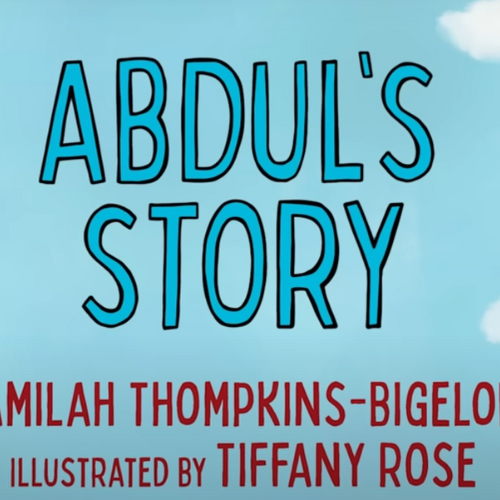
Abdul's Story
Abdul's Story
Average Rating: 0.0
Country: India
Ages: 5-8
Author: Jamilah Thompkins-Bigelow
Publisher: Simon & Schuster
Illustrator: Tiffany Rose
Story Source: Storyline Online

About The Story

Abdul is full of ideas and loves to write stories. But he has dyslexia, a learning disability that makes it hard to read and spell. Letters flip, words jumble, and mistakes multiply. No matter how creative he is, Abdul feels embarrassed about his writing—and sometimes, classmates laugh or call him names. Dyslexia affects up to 1 in 5 people worldwide. It doesn’t mean someone isn’t smart. In fact, many people with dyslexia are gifted thinkers, artists, or storytellers. Abdul’s journey is one of learning to believe in himself, and to embrace the unique way his brain works. This story opens the door to understanding learning differences and invites children to treat all classmates with kindness and respect.

Themes

Conservation & Environment
SEL
Health & Wellbeing

Sub Themes

Dyslexia
Peer empathy and bullying
Learning disabilities and self-esteem
Parental or teacher support

Parent-Teacher Guide

Learning Outcome

  • Understand what dyslexia is and how it can affect reading and writing.
  • Recognize that people with learning disabilities can be highly intelligent and creative.
  • Reflect on how unkind behavior or teasing can harm others.
  • Appreciate the role of encouragement from teachers, parents, and friends in building confidence.
  • Develop empathy for peers who may be struggling silently.

Lesson Plan

  • This lesson helps children explore the emotional impact of dyslexia and encourages acceptance of learning differences.
  • Students will identify ways to support classmates and learn about resilience through Abdul’s story.
Activities

  • Strengths Portrait
  • Kindness Chain
  • Neurodiversity Talk
  • Rewrite with Support

Story Discussion Guide

Before reading

  • What’s something that you’re good at? What’s something that feels hard for you?
  • Have you ever made a mistake and felt embarrassed? What helped you feel better?

During reading

  • What are Abdul’s strengths?
  • Why does Abdul feel frustrated or upset in school?
  • How do others react to his mistakes—and how do those reactions affect him?

After reading

  • How can you support someone who finds reading or writing difficult?
  • What would you say to Abdul if you were his classmate?
  • Why is it important to treat all classmates kindly, even if they learn differently?

Applicable Sustainable Development Goals

SDG 4: Quality Education

Advocates for inclusive education systems that support learners of all abilities.

SDG 10: Reduced Inequalities

Challenges stigma and promotes acceptance of neurodiversity and learning differences.

SDG 3: Good Health and Well-being

Emphasizes the importance of emotional well-being and positive identity formation.

Comments

There are no comments

Leave a Reply

Sign up to receive notifications whenever we
release new books

Share this post

Start typing and press Enter to search

Shopping Cart
Sign up with Google