

Muthu and Kappu
Muthu and Kappu
Muthu and Kappu
Average Rating: 0.0
Country: India
Ages: 5-8
Author: Sheena Deviah
Publisher: Pratham Books
Illustrator: Sheena Deviah
Story Source: StoryWeaver

About The Story

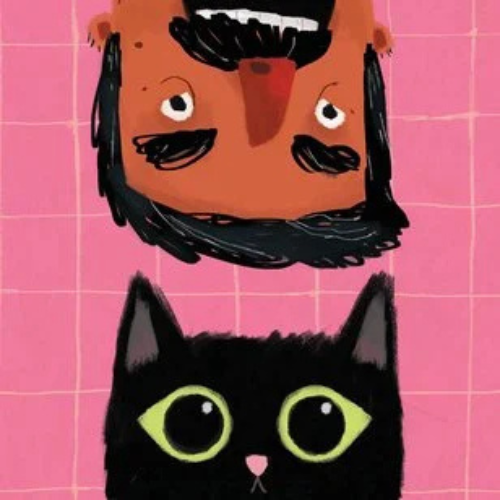
Muthu and Kappu are thrilled to bring home a tiny black kitten. But their father believes that black cats bring bad luck—and demands they return it. The children secretly care for the kitten, hiding it in their room. When their father discovers it, he puts the kitten out of the house. The next day, the kitten is stuck in a tree, frightened and meowing. Muthu and Kappu's father climbs up to rescue it. When he looks into its frightened eyes, something softens inside him. Slowly, as the kitten curls into his lap and begins to purr, the father's heart begins to melt. In time, the kitten becomes part of the family. This gentle and layered story explores how superstitions and biases—against animals or people—can shape our actions. But with empathy and understanding, hearts can change. Ultimately, it is a message about personal growth, compassion, and seeing beyond appearances.

Themes

Health & Wellbeing
Social & Emotional Wellbeing
Culture & Tradition

Sub Themes

Challenging Superstitions
Personal Growth
Empathy Toward Animals
Family Bonds

Parent-Teacher Guide

Learning Outcome

  • Understand how superstitions and biases can affect behavior.
  • Reflect on how personal experience can replace inherited fear or biases
  • Recognize the value of kindness and open-mindedness
  • Practice thinking critically about what they hear or believe.

Lesson Plan

  • Muthu and Kappu’s story is an excellent tool to introduce children to rational thinking, emotional growth, and social empathy.
  • Students will explore how unfounded beliefs and all biases – whether of animals or peoples, can be replaced with understanding through experience and reflection.
Activities

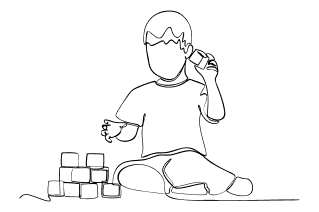
  • Fear to Friendship: Children draw or write about something they were once afraid of and how they overcame it.
  • Superstition Sorting: Provide a list of common beliefs; children decide if they are facts, superstitions, or need more evidence.
  • Class Debate: 'Do you think all superstitions are bad?' Let students share viewpoints in a guided discussion.

Applicable Sustainable Development Goals

SDG 4: Quality Education

Encourages critical thinking and exploration of beliefs and perspectives.

SDG 10: Explanation of SDG Relevance:

Promotes inclusion by challenging stereotypes and biases.

Comments

There are no comments

Leave a Reply

Sign up to receive notifications whenever we
release new books

Share this post
Start typing and press Enter to search

Shopping Cart
Sign up with Google